

 myFrasersProperty
 13 38 38


Best suburbs in Sydney for 2026: most in-demand areas and buyer trends



Despite being one of the most expensive capital cities in the world, many dream of living in Sydney, Australia. And it’s easy to see why. Besides offering world-class amenities and lively coastal living, residents also get to enjoy great employment opportunities, top-notch schools, and a lifestyle that many aspire to. That said, Sydney’s real estate market has changed dramatically over the past few years, with prices growing steadily due to factors such as tight rental markets, limited supply, increasing population and migration, as well as ongoing buyer demand. Despite these changes, Sydney still remains a desirable place to live so whether you’re looking to purchase or invest, keep reading. Ahead, we round up Sydney’s most in-demand suburbs in 2026 and the key trends shaping the year ahead.
Disclaimer: This article is for information purposes only and does not constitute financial advice*. However, based on current market trends, here are some of the most in-demand suburbs in Sydney.
Key takeaways
- Sydney’s property market in 2026 is expected to remain resilient, with median dwelling prices projected to see steady growth of around 5–7%, despite broader economic pressures.
- Demand remains strong across both lifestyle suburbs like Edmondson Park and Bankstown, as well as growth corridors such as Macquarie Park and Leppington, where connectivity, affordability, and infrastructure support continued interest.
- Select suburbs including Randwick, Mount Annan, Dee Why, and Whalan are forecast to deliver some of the strongest capital gains, backed by improving demand, competitive pricing, and development momentum.
- While premium areas like Mosman, Coogee, and Balmain retain enduring appeal, Greater Western Sydney, Sydney North West and Sydney South West growth areas including Western Sydney Aerotropolis, Blacktown, Parramatta, Macquarie Park, Leppington, and Edmondson Park are emerging as key markets to watch thanks to large-scale infrastructure investment and expanding employment and housing opportunities.
Sydney property market snapshot
With ongoing uncertainty around interest rates, Sydney’s housing market is expected to transition into a steady and modest growth in 2026. In 2025, the average house price grew by 6.4%—but in 2026, forecasts indicate that Sydney’s median dwelling price of $1.25 million may see an uptick of 5–7%. That’s about $62,000, which brings the new median price to about $1.3 million by the end of the year.
Here’s a summary of Sydney’s current real estate market:
| Key Metric | 2026 Outlook | |
|---|---|---|
| Current median dwelling price | Approx. $1.24m | |
| Projected median by end of 2026 | $1.30m+ | |
| Expected annual growth | 5% to 7% | |
| Rental vacancy rate | Approx. 1.5% (tight market) | |
| Market phase | Cooling but resilient |

Best suburbs in Sydney to watch in 2026
Whether for your own stay or as an investment property, here are a few top Sydney suburbs in Australia with great connectivity and strong family appeal.
Austral
Located about 6km from Leppington, Austral residents have convenient access to Leppington Station and major road links, making city commutes more manageable. The suburb continues to see new residential developments with median prices of $1.09 million, offering a mix of lot sizes suited to first-home buyers and young families. With new schools, parks, and community facilities planned, consider Austral a family-friendly alternative to more established neighbouring suburbs.
Edmondson Park
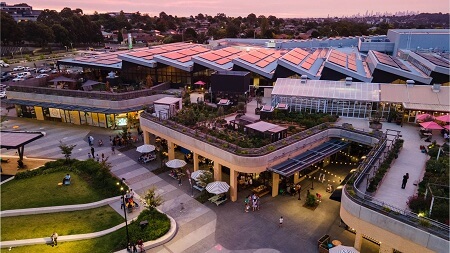
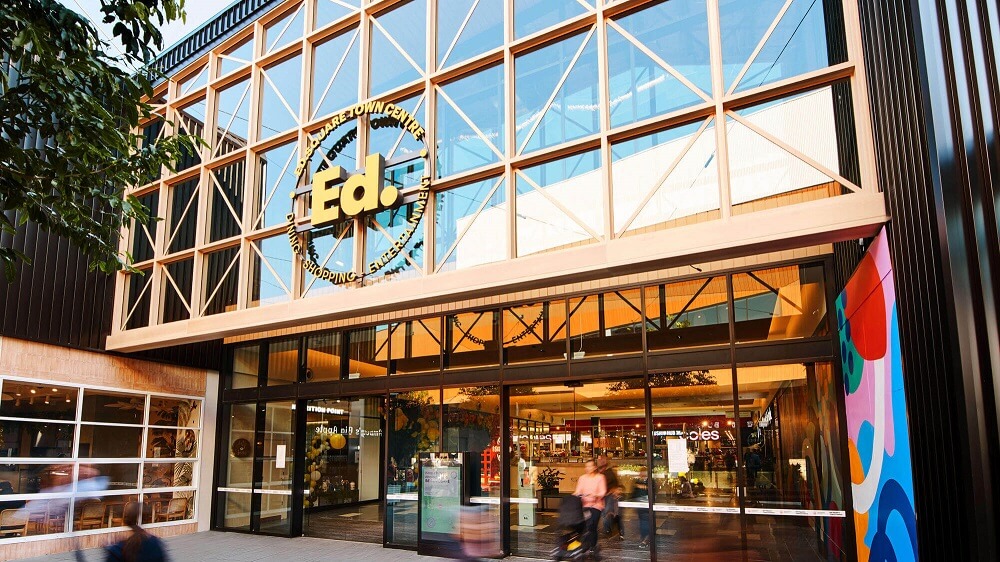
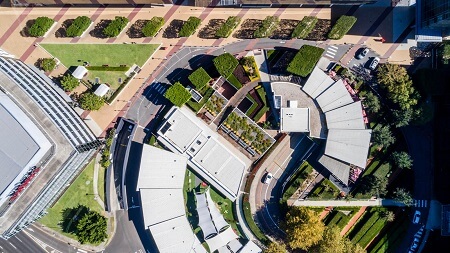
Edmondson Park is quickly becoming one of the south-west’s most complete lifestyle hubs. Located next to Leppington and serviced by its own train station, the suburb offers strong connectivity and is a stone’s throw away from the lively Ed.Square Town Centre. Popular with young families and upgrader buyers, the area offers modern homes and apartments with median prices of $1.26 million and $755,000 respectively. For terrace living options, Frasers Property has parkside terrace homes near Ed.Square that’s surrounded by parklands and walking paths.
Campsie
Looking for a more affordable entry point within Sydney’s inner-south corridor? Consider Campsie, another well-connected area that’s close to established retail precincts, schools, and public transport links that connect you to the CBD and surrounding employment hubs. Houses are priced around $1.89 million whereas units average at $680,000. As surrounding suburbs continue to see price growth, Campsie is increasingly viewed as a value-driven option with long-term upside potential.
Oran Park
Located about 10 minutes south of Leppington, Oran Park offers a wide variety of land sizes and home types, attracting growing families seeking space and modern amenities. For everyday convenience, Oran Park Town Centre provides retail, dining, healthcare, and community services, while ongoing infrastructure investment continues to improve connectivity across the broader region. Houses here have a median price of $1.17 million while units cost about $775,000.
Bankstown
Bankstown continues to benefit from major transport upgrades and urban renewal projects, which further strengthens its appeal. Besides great rail connectivity and future metro integration, the suburb provides direct access to both the CBD and Parramatta. What’s more, there are plenty of shopping, dining, and schooling options nearby, as well as comparatively more accessible price points than inner-city suburbs. House prices average around $1.62 million whereas unit prices sit near the $595,000 mark.
Penrith
Situated about 50km west of the CBD, Penrith is gaining traction for its lifestyle balance and stronger affordability. The median house price is around $1.08 million, with units typically lower at about $600,000, positioning it as a value alternative to Sydney’s inner ring. Over recent months, the suburb has seen steady growth and demand, with projected further gains as local infrastructure and community facilities evolve ahead of 2026.
Sydney suburbs growth forecast for 2026
Purchasing a home in some of Sydney’s most in-demand suburbs could get you strong returns. And in 2026, select areas such as Randwick, Mount Annan, and Whalan are expected to deliver high capital gains above 5%. Meanwhile, other Sydney suburbs property forecast growth show a steadier, sustainable appreciation driven by affordability, infrastructure investment, and improving demand. The table below highlights the locations most likely to experience the highest growth rate in the next six months.
| Suburb | Median house price | Growth (past 12 months) | Predicted growth (next 6 months) |
|---|---|---|---|
| Randwick | $3,400,000 | 5% | Over 5% |
| Dee Why | $2,822,200 | 5% | Over 5% |
| Wheeler Heights | $2,310,000 | 5% | Over 5% |
| Mount Annan | $1,139,000 | 7% | Over 5% |
| Whalan | $835,000 | 6% | Over 5% |
| Mount Druitt | $1,010,000 | 6% | Over 5% |
| North Narrabeen | $1,979,500 | -1% | Over 5% |
| Kurnell | $2,214,800 | 4% | 4–5% |
| Miranda | $1,900,000 | 4% | 4–5% |
| Carlton | $1,880,000 | 4% | 3–4% |

Most affluent suburbs in Sydney vs growth corridors
From high-end living to emerging growth corridors, get to know the two distinct groups that shape the real estate market of Sydney suburbs in Australia.
Premium lifestyle suburbs:
Mosman
Just 11km north of the CBD, Mosman ranks among the most affluent suburbs in Sydney and one of the most expensive suburbs in Sydney for prestige living. With median house prices at a whopping $5.8 million and unit prices at $1.34 million, it remains a high-demand market for premium buyers. While price growth is historically steadier than explosive, Mosman’s harbour views, schools, and lifestyle amenities underpin ongoing demand and long-term value retention.
Coogee
Around 8km east of Sydney’s CBD, Coogee is a quintessential coastal favourite and one of Sydney’s most in-demand suburbs for lifestyle-oriented buyers. With a median house price of about $4.8 million and units around $1.6 million, Coogee’s premium address sustains strong appetite from owner-occupiers and investors alike. Recent sales data point to steady growth, supported by limited stock and ongoing beachside appeal.
Balmain
Roughly 6km west of the CBD, Balmain combines heritage charm with inner-city connectivity, making it one of the most affluent suburbs in Sydney and consistently attractive to premium buyers. With house medians averaging around the $2.92 million range and units averaging $1.4 million, Balmain commands strong, lifestyle-driven demand. While price growth tends to be steady rather than rapid, its village atmosphere, waterfront pockets, cafe culture, and excellent access to the city help support long-term value.
Growth corridors with infrastructure backing:
Blacktown, Western Sydney
About 35km west of Sydney’s CBD, Blacktown is one of Western Sydney’s standout growth corridors, underpinned by major infrastructure investment, improved transport links, and expanding community amenities. With a median house price around $1.14 million and units typically near $535,000, Blacktown offers comparatively strong value while still attracting broad buyer interest. Over the past year, the suburb has seen solid price growth supported by rising demand, and analysts forecast sustained, steady appreciation through 2026 as schools, retail centres, and jobs continue to develop.
Parramatta
About 24km west of the CBD, Parramatta continues to be one of Sydney’s most in-demand suburbs, especially for young professionals and those in the creative industry. Besides the abundance of job opportunities and well-connected transport links, this suburb is buzzing with trendy bars, a variety of gastronomic dining experiences, historic sites, and theatres. The current median house price sits around $1.5 million, with unit prices near $620,000, thus reflecting broad buyer interest. Over the past year, Parramatta has recorded solid growth, driven by continued commercial development and infrastructure investment, and is forecast to see further steady appreciation through 2026.
Macquarie Park
Located about 13km north-west of Sydney’s CBD, Macquarie Park is a place to live, work, and play. Known for its major employment hubs, university presence, and strong transport connectivity via metro and road links, the suburb—with median house price at $905,000 and median unit price at $850,000—appeals to professionals, investors, and downsizers seeking convenience and long-term growth potential. The area also benefits from ongoing commercial expansion, retail offerings, and lifestyle amenities centred around Macquarie Centre and surrounding business parks. If you’re looking for masterplanned communities, be sure to check out Midtown MacPark by Frasers Property, which brings new apartment living options into this established growth precinct.
Leppington
Situated around 50km south-west of Sydney’s CBD, Leppington continues to be a major focal point within the south-west growth corridor. This is driven by new housing estates (with prices averaging around $1.12 million for houses and $1.19 million for units), improving transport infrastructure, and expanding community facilities. With its own train station connecting to the broader Sydney rail network, the suburb offers growing convenience for commuters while maintaining appeal for families seeking newer homes and more space. Ongoing residential developments, new schools, and retail precincts are transforming Leppington into a self-sustaining community hub, as population and demand are expected to grow steadily.

Sydney property trends to watch in 2026 and beyond
Whether you’re eyeing one of the most affluent or expensive suburbs in Sydney, or entering the market as a first‑home buyer, it’s worth taking note of these predicted trends and key drivers that will influence Sydney’s property market in 2026:
- While the recent interest rate increase is likely to weigh on borrowing capacity, rising household incomes and government-backed first-home buyer schemes are expected to support continued market activity and modest upward pressure on prices in the first half of 2026.
- The second half of 2026 is expected to gradually slow down with subdued growth rates as affordability limits re-emerge.
- Demand for homes in Sydney will continue to rise, supported by strong migration trends. As of June 2024, Sydney’s population stood at 5.56 million after growing by around 107,500 people over the year, with overseas migration driving most of that increase. Looking ahead, the city is projected to welcome more than 650,000 additional residents by 2034.
- House rents in Sydney will also see an upward trajectory of 4%. Unit rents on the other hand, are projected to rise by 5%.
- Besides that, vacancy rates in Sydney are exceptionally low at about 1.5%, which may likely push rentals higher.
- For buyers, you may expect to see a $173,000 increase in house prices, bringing the new median house price to about $1.92 million (thus marking one of the strongest house price growth nationally).
- Meanwhile, unit prices may rise to $892,000 after an approximate increase of $52,000.
- Thanks to government initiatives and schemes, first home buyers will be able to purchase properties costing up to $1.5 million with just a 5% deposit.
- Alternatively, buyers may increasingly look toward off-the-plan apartments in Sydney as affordability strategies evolve.
By understanding these projected trends and aligning them with real estate investment strategies, you’ll be better positioned to make informed purchasing or investing decisions.
What's ahead for Sydney's most in-demand suburbs
Sydney’s property market is looking optimistic for the most part of 2026, with growing demand that’s influenced by not just migration, but also infrastructure development and constrained housing supply. As we move through the first quarter of 2026, both buyers and investors should pay attention to these few key indicators: population growth, net migration levels, rental vacancy rates (especially if they’re below current levels), auction clearance rates, and lending conditions. Interest rate movements and inflation stability will also play a pivotal role in shaping sentiment and borrowing confidence.
Wondering which growth suburbs have the best potential in 2026? Look towards regions and areas where infrastructure milestones move from planning into delivery and where development pipelines begin to materialise. Another thing to keep a close eye on are locations that serve as employment hubs as this creates stronger localised demand. Apart from that, suburbs showing improving rental yields, renewed price momentum after a period of moderation, and increasing owner-occupier demand may also be among the first to record stronger capital growth heading into 2026.
Take the next step toward living in a community you’ll love. Check out Frasers Property’s residential offerings and masterplanned developments in New South Wales - you may just find the perfect place to call home.

*Disclaimer: All opinions, estimates, forecasts, statistics, links to external websites, conclusions, recommendations, and underlying assumptions contained within this page are made and expressed by Frasers Property Australia in good faith, in the reasonable belief that they are correct and not misleading as at the date of publication. This content is of a general nature only and does not take into account your personal objectives, financial or taxation situation, or needs. It does not represent financial, taxation, legal, or other professional advice and should not be regarded as such. Information about grants, schemes, and other costs is provided for general guidance only and may change over time. Frasers Property Australia does not make any express or implied representations or warranties that external links or third-party information are accurate, complete, or current. Before acting on any information provided, you should fully consider its appropriateness for your circumstances and, if necessary, seek independent professional advice.
See more articles on


