

 myFrasersProperty
 13 38 38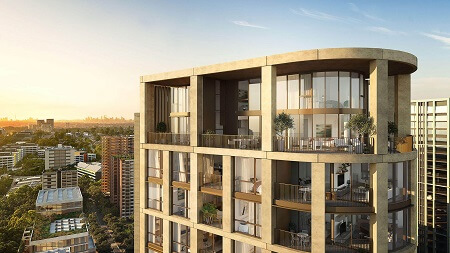



Building vs buying an established home
Build or buy? Comparing the two paths
Choosing whether to build a new home or buy an established one is a personal decision shaped by your lifestyle, values, goals, and the location you want to live in - and Frasers Property Australia is here to help you make the choice that feels right. In this guide, we break down the key pros and cons of each option so you can move forward with clarity and confidence.

Understanding your options
As a first home buyer, you have two main pathways:
- Build a new home: Buy land and build a home, or buy a house and land package or turnkey property.
- Buy an established home: Purchase an existing property, often in a mature neighbourhood.
Each option comes with its own set of opportunities and considerations.
Building new vs buying established
New property

Artist's impression
Benefits of building new
Building a new home is about more than bricks and mortar - it’s about shaping a space that reflects your vision for the future. Here’s what makes building new a compelling choice:
- Customisation: Design your home to suit your lifestyle, from floorplan to finishes.
- Modern features: Enjoy energy-efficient design, sustainable materials, and the latest technology.
- Energy efficiency: Lower energy bills due to compliance with regulated energy efficiency standards.
- Lower maintenance: Everything is brand new, reducing the risk of costly repairs in the early years.
- Government grants & incentives: Many first home buyer grants and stamp duty concessions are available exclusively for new builds.
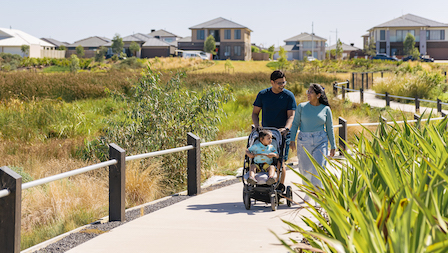
- Community connection: New developments often feature parks, playgrounds, and shared spaces designed to foster community and wellbeing.
- Warranty protection: New homes are covered by builder warranties, offering peace of mind.
Potential Considerations
- Longer timeline: Building can take 6–18 months, depending on the design and approvals.
- Decision fatigue: Choosing every detail can be exciting but also overwhelming.
- Progress payments: You’ll make payments at each construction stage, meaning you may need to manage rent or current living costs alongside increasing loan interest during the build, which may affect your cash flow.
- Uncertainty: Construction delays or changes in costs can sometimes occur.
Established home

Benefits of buying established
Buying an established home means choosing a property that’s already complete and ready to live in. Whether it’s newly built or simply move‑in ready, here’s why many first home buyers consider this option:
- Immediate move‑in: Once settlement is complete, you can move in right away - no construction timeline or waiting period.
- Established surroundings: Enjoy a neighbourhood with existing amenities, services, and a sense of community already in place.
- Upfront costs: The purchase price is known from the outset, offering clarity and fewer unexpected expenses.
- Opportunity to personalise: There’s potential to update or refresh the home over time to suit your style and needs.
- Negotiation potential: There may be room to negotiate on price, settlement terms, or inclusions with the seller.
Potential Considerations
- Condition of the property: Depending on the home’s age and previous use, you may need to plan for repairs, updates, or general upkeep.
- Ongoing maintenance: Established homes can come with higher maintenance needs compared to brand‑new builds.
- Limited customisation: Making major changes may require additional approvals, time, and investment.
- Fewer incentives: Some government grants and concessions apply only to new builds or off‑the‑plan purchases.
Key considerations: what matters most to you?
When deciding between building and buying, consider:
- Your timeline: Do you need to move in quickly, or are you happy to wait for your dream home?
- Budget & incentives: Are you eligible for grants or concessions that make building more affordable?
- Lifestyle needs: Do you want to design every detail, or would you prefer a home with established charm?
- Community: Are you drawn to new neighbourhoods with modern amenities, or do you value the character of older suburbs?
- Sustainability: Is energy efficiency and sustainable living a priority for you?

Artist's impression
Quick comparison: building vs buying
| Aspect | Building New Home | Buying Established Home |
|---|---|---|
| Customisation | High | Limited |
| Move-in Timeline | 6-18 months | Immediate |
| Maintenance | Low (initially) | Varies (maybe be higher) |
| Government Incentives | More available | Fewer available |
| Community | Staged payments | Lump sum at settlement |
Making your choice with confidence
Your first home is more than a financial investment - it’s a foundation for your future. Whether you choose to build or buy, the most important thing is that your home supports your wellbeing, reflects your values, and helps you create belonging.
At Frasers Property, we’re here to guide you every step of the way, with a century of experience in creating places where people thrive. Together, we can help you make a decision you’ll be proud of—one that leaves a positive legacy for years to come.
For more guidance, explore our First Home Buyer Hub or speak with our team about your options.


*All opinions, estimates, forecasts, statistics, links to external websites, conclusions, recommendations, and underlying assumptions contained within this webpage are made and expressed by Frasers Property Australia in good faith, in the reasonable belief that they are correct and not misleading as at the date of publication. This content is of a general nature only and does not take into account your personal objectives, financial or taxation situation, or needs. It does not represent financial, taxation, legal, or other professional advice and should not be regarded as such. Information about grants, schemes, and other costs is provided for general guidance only and may change over time. Frasers Property Australia does not make any express or implied representations or warranties that external links or third-party information are accurate, complete, or current. Before acting on any information provided, you should fully consider its appropriateness for your circumstances and, if necessary, seek independent professional advice.